Pokrovsk is not encircled, but the issue is that drones now effect fire control in depths such that it is much more difficult to withdraw equipment, or extract people from a pocket. Hence a late exit akin to Avdiivka is now a more problematic proposition. 27/
Full-scale invasion and national resilience, broadcasted live.
-
Ukraine reinforcements may not suffice against Russian infiltration; counter-attacks costly
Ukraine has brought in reinforcements to stabilize the flanks, but this may not be enough given the extent of Russian infiltration at this stage. Counter-attacking at this stage is costly, and has implications for other sectors like Zap, which will be without reserves. 26/
-
Pokrovsk Fall Threatens Myrnohrad, Enclave Closes
If Pokrovsk falls, so does Myrnohrad, and the pocket closes. The immediate result is Russian forces will operate drones from Pokrovsk, using the city to push AFU units back another ~15km or more. Ukraine has defensive lines to fall back to and can reset its defense.
-
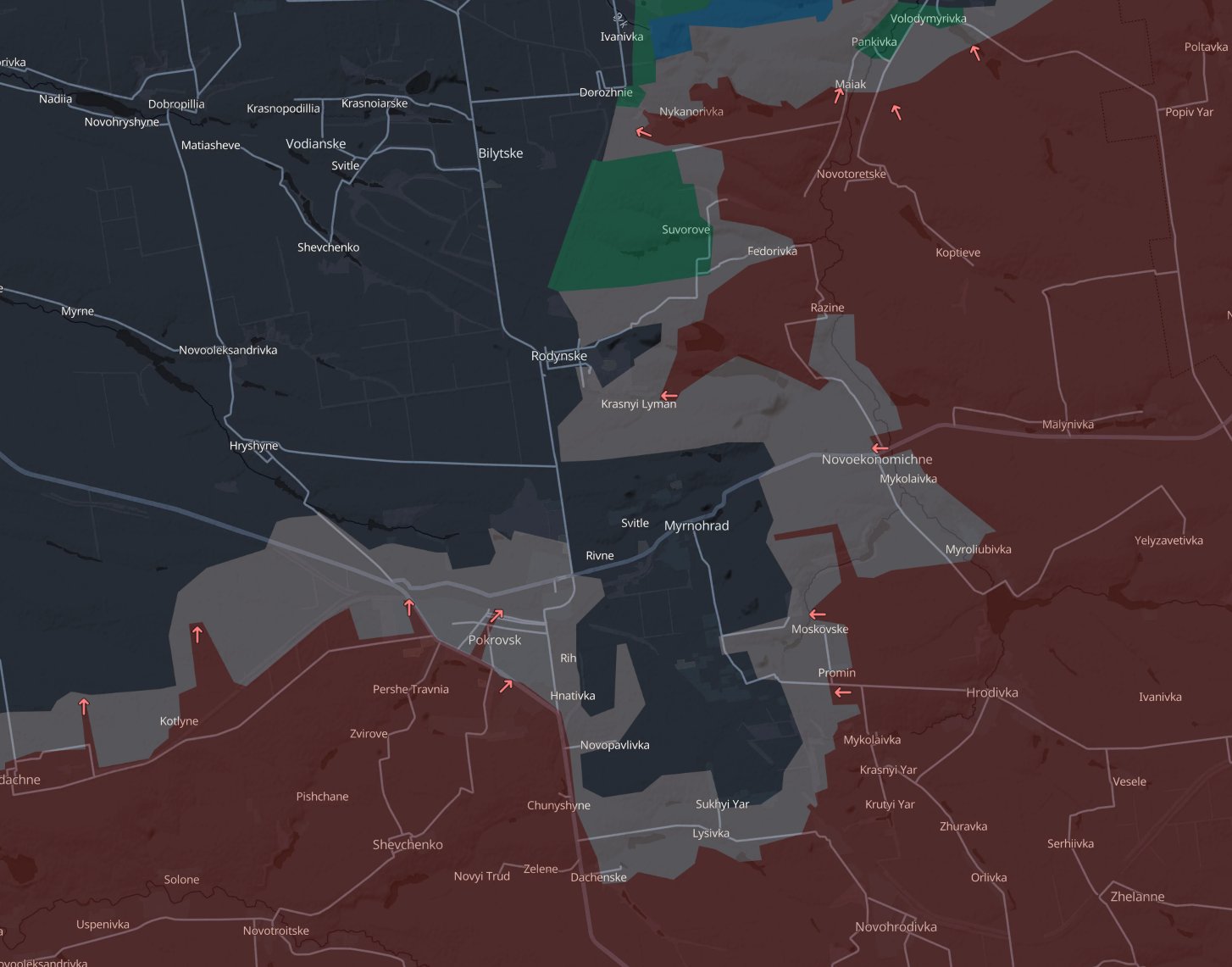
Critical situation in Pokrovsk, Ukraine
In Pokrovsk: The situation deteriorated over time as Russian forces continued infiltrating through AFU brigades holding the southern part of the city. Ukrainian positions grew increasingly thin. Deteriorating weather allowed Russian troops to bring in more men into the city in recent weeks.
-
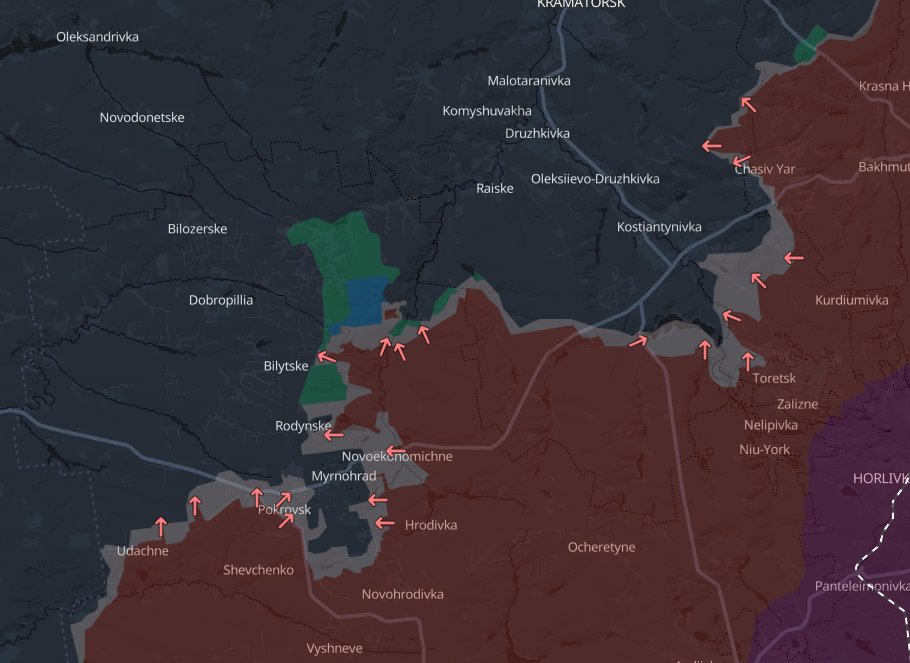
Situation militaire en Ukraine : zones critiques
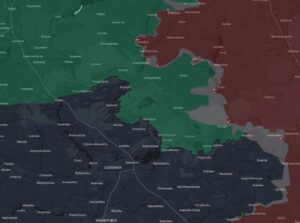
Looking at the front, the main problem areas are Pokrovsk & Kostiantynivka, the area running from Huliapole to Pokrovske at the Zap-Dnipro-Donetsk border, and area surrounding Lyman where Russian forces slowly advance towards Sviatohirsk and the Izium-Sloviansk road. 23/
-
Bad Weather’s Impact on Ukraine War: Both Sides Enabled, Russia Favored
Bad weather enables, and constrains, both sides. Ukraine can conduct rotations, replenish, and reinforce. However, it tends to favor Russian forces more right now because they are on the offensive, and Ukraine’s defense is largely based around the drone engagement zone. 21/
-
Winter’s grip: Front likely to stabilize, hindering Russian infiltration tactics.
That said, the winter is not conducive to infiltration tactics. There is no cover, Russian air support & UMPK strike rates drop off, and it is more difficult to advance. Hence the front may become more stable this winter, as was seen last year. 20/
-
Russian casualties: more deaths, fewer recovered wounded
This year, Russia has seen a significant increase in killed-in-action (KIA) casualties, but a decrease in wounded-in-action (WIA) as a ratio due to much lower survival rates. Wounded troops are far harder to recover from the kill zone. Russia's gains this year came at the steep price of unrecoverable personnel losses.
-
Russian infiltration tactics using 1-2 man groups to penetrate Ukrainian lines
Russian forces conduct infiltration by splitting platoons into 1-2 man groups trying to penetrate in between Ukrainian positions. They seek to advance as far as possible past Ukrainian positions, entrench, then accumulate. Many are killed but some make it through. 15/
-
Grey zone of unclear control in Ukrainian-Russian conflict
The net result is a sizable grey zone, where nobody is sure who controls what, making the battlespace difficult to map. Russian and Ukrainian positions are comingled in cities, and tree lines. Hence the situation could be much better or worse than it ‘looks on the map.’ 16/