
Zaluzhnyi: Wars increase mobilization, not mass demobilization. History shows armies build reserves, replace losses, and expand capacity during war. Mobilization exists to sustain the fight, not pause it. 6/
Full-scale invasion and national resilience, broadcasted live.
-
Zaluzhnyi: Ukraine can avoid defeat and build long-term defense strategy
Zaluzhnyi: Ukraine still has room not only to avoid defeat, but to reduce losses and build a long-term defense strategy. Ukrainians understand this war better than anyone else — and that gives Ukraine a path forward, even while many partners still struggle to grasp the reality.
-
Zaluzhnyi on Russia’s tactics and discrediting campaign
Zaluzhnyi: Russia used slow tactical advances and heavy losses to pressure Ukraine into capitulation, including through partners and negotiations. At the same time, Moscow ran a large-scale campaign to discredit mobilization and weaken Ukraine’s long-term resilience.
-
Zaluzhnyi: Russia grinds Ukraine, betting on societal collapse
Zaluzhnyi: After losing battlefield initiative, Ukraine had to react to Russia’s moves across the front, often at high cost. Russia built a strategy around grinding down Ukrainian forces through massive losses, betting casualties would break Ukrainian society first. 3/
-
Zaluzhnyi: Russia’s new tactics fail in machine war, soldiers expendable
Zaluzhnyi: Russia tried to break the battlefield deadlock with new technology and tactics, but the result stayed the same: old-style offensives in a machine war only turn soldiers into expendable manpower that constantly needs replacement. 2/
-
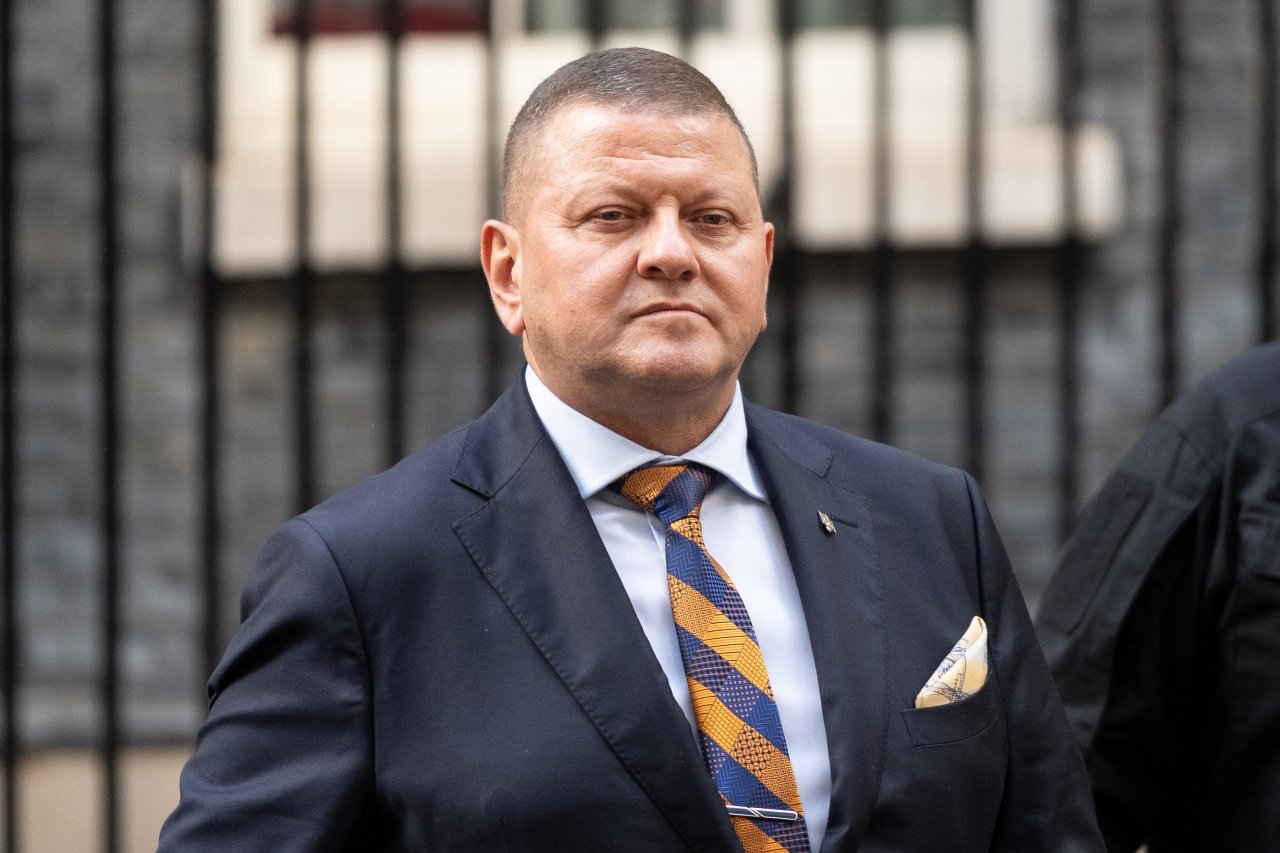
Zaluzhnyi: Mobilization must change because war changed with drones and robots
Former Ukrainian Commander-in-Chief Zaluzhnyi: Mobilization must change because war itself changed. Drones and robotic systems reshaped the battlefield, making old mass-army models obsolete. For the first time in history, robots entered war at scale. 1/
-
35,000 Russian dead monthly from drones as AI warfare evolves
35,000 Russian dead in a month is the new baseline. Drones did most of it. Russia is iterating AI-driven warfare in real time. The kill chain that decides slowest takes the first hit. 7X
-
Ukraine defence minister releases FPV drone footage targeting Russian soldiers
Mykhailo Fedorov, Ukraine's defence minister, released FPV drone footage targeting Russian soldiers one by one — some running, some bracing, some begging to be spared. FPV drones now drive most of the casualties on both sides of the front. 3/
-
Autonomous attack drones and target-observation chain in seconds
AI-powered one-way attack drones already fly and pick targets without human input. The sensor-to-shooter kill chain compresses to seconds. Ukraine is the proving ground. 4/
-
Ukrainian front: sensor-blanketed death zone transforms infantry tactics
The Ukrainian front: 750 miles long, 10 miles wide, blanketed with sensors. Anything moving in the open dies within minutes. Infantry doctrine since WW2 broke in four years. Soldiers now move alone or in pairs under thermal and spectral camouflage. 2/