26/ A further winter factor that is likely to cause increased casualties on both sides is that blood doesn't coagulate as fast in the cold, leading to more shock cases, while wounds are vulnerable to frostbite and increase the risk of hypothermia.
Full-scale invasion and national resilience, broadcasted live.
-
Russia’s poor casualty evacuation hinders fighting in Bakhmut and Svatove
27/ Efficient medical evacuation could reduce these risks, but Russia seems to have been remarkably bad at dealing with casualties and the places where the fighting is fiercest (such as around Bakhmut and Svatove) are not conducive to quick evacations.
-

Russian soldiers face hypothermia and starvation this winter
25/ The likely consequence of all of this is that a significant number of Russian soldiers are likely to die of hypothermia and perhaps starvation this winter. Newly mobilised troops will probably suffer the most, as they seem to be the worst equipped.
-
2 days until ‘Solidarity with Ukraine’ conference
2 дні до міжнародної конференції «Солідарність з Україною» 🇺🇦
— La France en Ukraine 🇨🇵🇪🇺 (@FranceenUkraine) 11 décembre 2022
🎙 Прослухайте @MinColonna щодо санкцій, спрямованих проти російської влади, щоб покласти край цій війні, яка підриває територіальну цілісність України. https://t.co/PLM6owpmh02 days until the international conference 'Solidarity with Ukraine'. Listen to @MinColonna on sanctions targeting Russian authorities to end the war undermining Ukraine's territorial integrity.
-
Mud, snow, and Kerch Bridge issues hinder Russian frontline access and supply
24/ Mud and snow are almost certainly restricting the ability of wheeled vehicles to reach frontline areas. Russia has additional issues supplying its southern front across the damaged Kerch Bridge to Crimea.
-
Russian soldiers stealing food supplies
Food supplies are almost certainly being lost or stolen. Russian soldiers have complained that logistics staff are stealing food items from depots in Ukraine and selling them to hungry soldiers. The same is likely happening to food parcels sent from home.
-
HIMARS impacting Russian logistics and supply deliveries in Ukraine
20/ There are a number of possibilities: Ukrainian long-range artillery (especially HIMARS) has pushed Russian logistics bases further back from the front lines, limiting the number of round trips that trucks can make in a day and thus restricting supply deliveries.
-
Russian soldiers lack winter supplies, food shortages expected to worsen
18/ Because the Russian soldiers on the front line often appear to be poorly prepared for winter conditions, it's certain that they will need a lot more food than usual. But as we've already seen, they didn't appear to have enough even before the weather got cold.
-
Winter shortages: Foraged food gone, family packages not reaching front lines
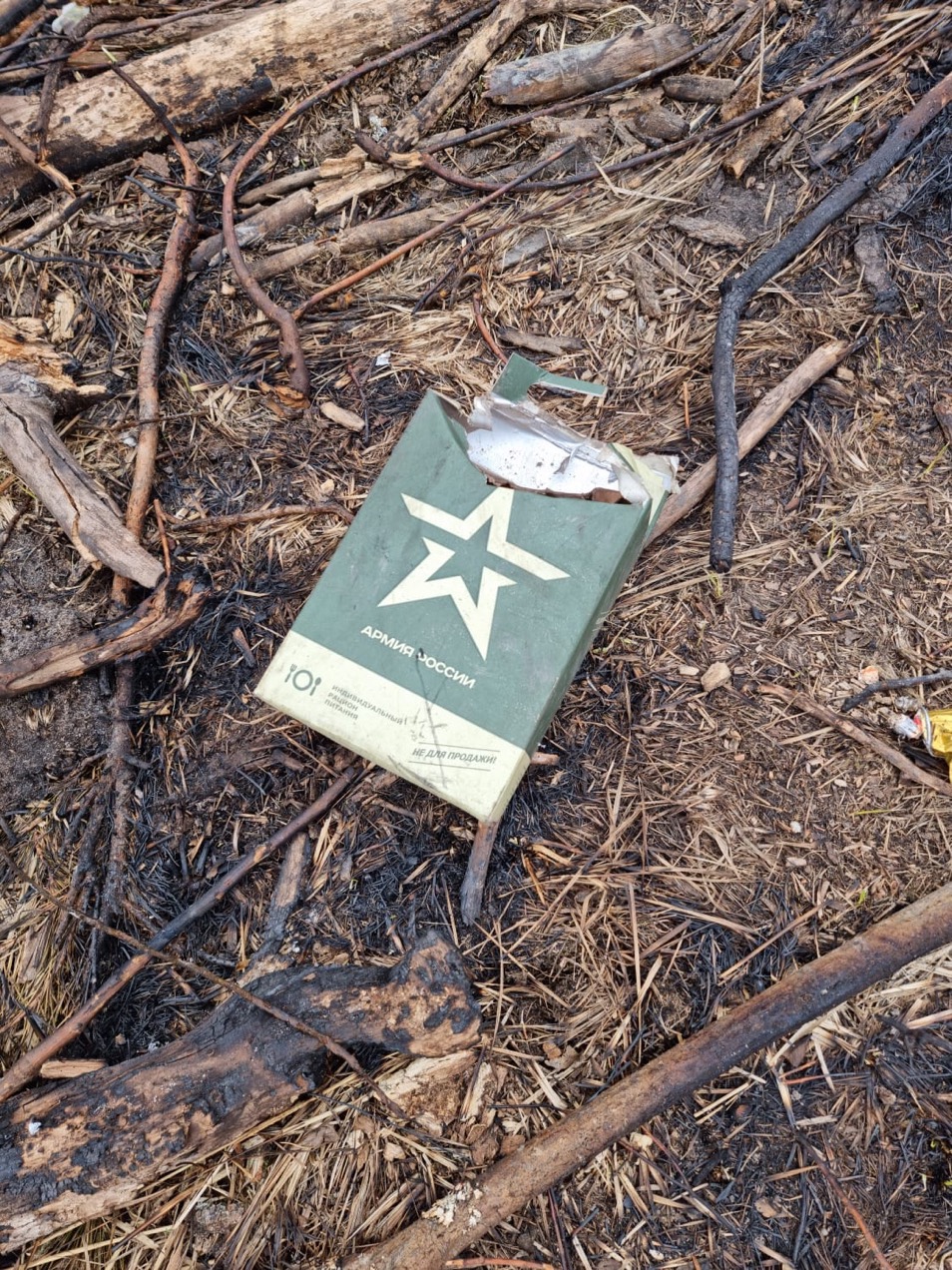
14/ With the arrival of winter, foraged supplies are no longer available. Relatives say their men are now surviving on food packages sent from home. But it's clear that in many cases, such packages are not getting to the front lines.
-
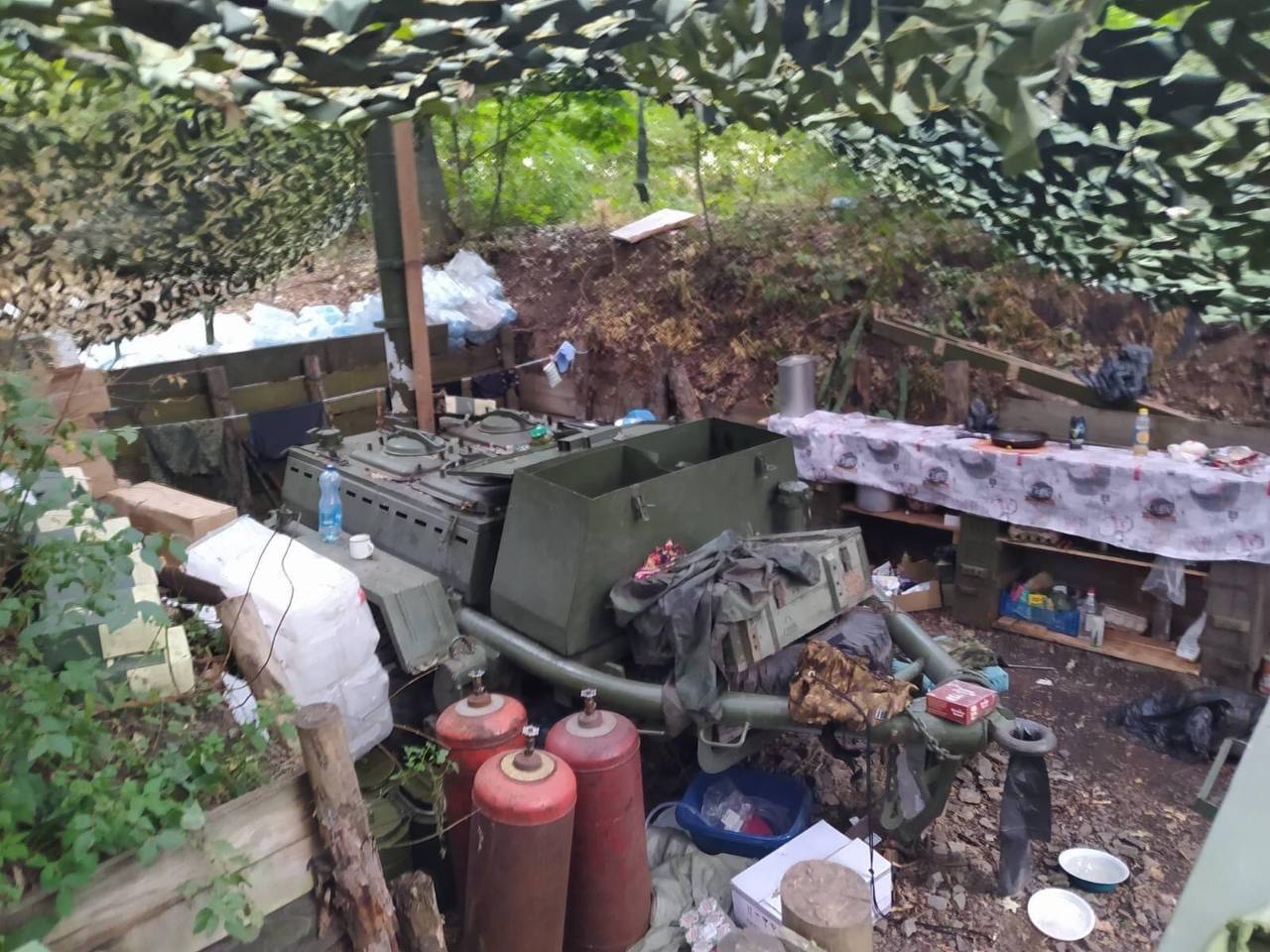
Russian troops in the south faced food resupply issues, with poor rations and drone attacks on field kitchens.
12/ Food resupply was also a problem in the south. Russian troops attacking towards Mykolaiv soon ran out of rations. Field kitchens were brought up, but their output was so bad that troops said they didn't want to eat it. The kitchens also attracted Ukrainian drone attacks.